
Key Takeaways
- A comprehensive skin assessment involves analyzing skin type, medical history, facial anatomy, and lifestyle factors to create personalized treatment protocols.
- Treatment options vary—from hyaluronic acid fillers for immediate results, collagen stimulators like poly l lactic acid for long-term improvements, to skin booster injections that enhance overall skin quality.
- Personalized treatment plans consider injection depth, product reconstitution, session spacing, and area-specific techniques to ensure optimal results and minimize complications.
- Regular follow-ups allow doctors to monitor healing responses and adjust treatment protocols to meet individual aesthetic goals.
- Safety protocols, including proper product handling, emergency preparedness, and patient education, are essential components of successful aesthetic medicine practice.
Comprehensive Initial Skin Assessment Process
Just as no two fingerprints are alike, no two skin conditions call for the same treatment approach. This core principle guides modern aesthetic medicine, where doctors conduct thorough evaluations or treatments before recommending any cosmetic procedures.
The initial consultation begins with a detailed examination of facial anatomy, focusing on skin texture, elasticity patterns, and volume loss distribution. Medical professionals assess how aging affects different facial areas—some patients may show significant volume depletion in the cheeks but maintain good skin quality, while others might have excellent facial contours but struggle with fine lines and sagging skin.
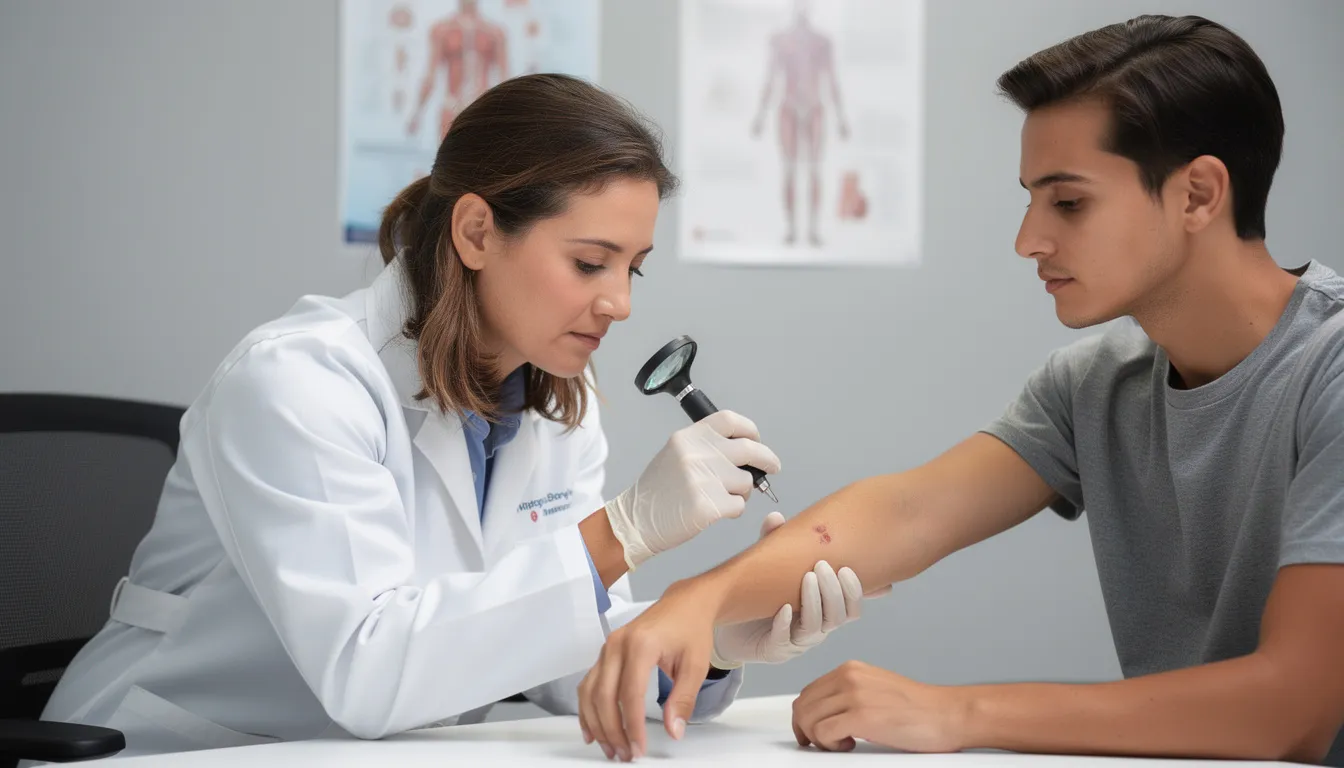
A thorough medical history review lays the foundation for safe aesthetic medicine practice. This includes documenting current medications that might affect healing, such as blood thinners that increase bruising risk, and identifying any allergic reactions to previous treatments. Doctors also evaluate past cosmetic procedures to understand how the patient’s skin responds to different interventions.
Skin type classification using the Fitzpatrick scale is especially important in Malaysia, where many patients fall into Types III-V. These darker skin types require tailored pigmentation treatments to prevent post-inflammatory hyperpigmentation and ensure optimal healing. The assessment also includes evaluating photodamage levels, guiding the choice of appropriate laser treatments and chemical peel intensities.
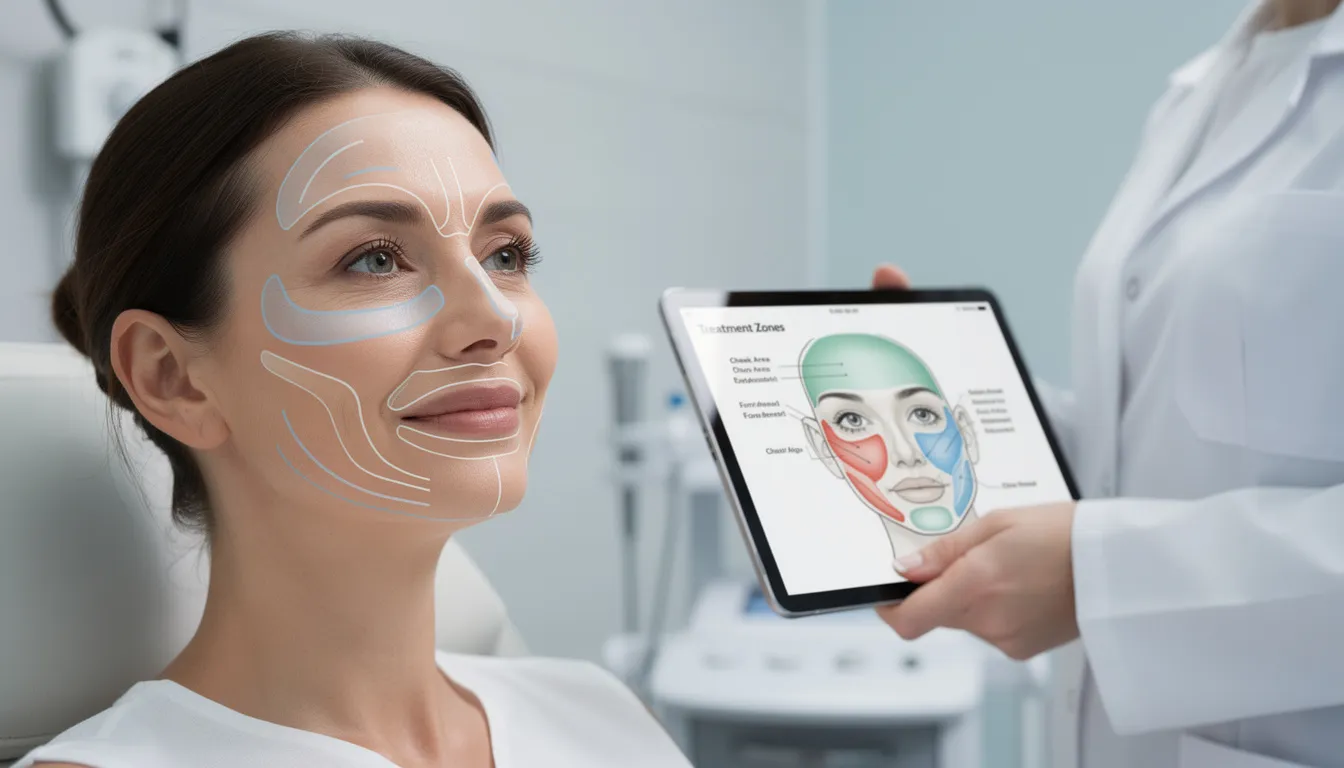
Standardized photography and precise marking of injection sites help ensure consistent treatment delivery and accurate progress tracking. This systematic approach allows doctors to set realistic expectations and create detailed treatment timelines that align with patients’ social and professional commitments.
Understanding Individual Skin Conditions and Treatment Needs
Aging manifests differently in each person, so doctors analyze specific patterns before selecting interventions. Static wrinkles those visible even when facial muscles are relaxed—typically respond well to dermal fillers or laser treatments. Dynamic lines that appear during facial expressions may benefit more from anti wrinkle injections or skin boosters that enhance overall skin quality.
Volume loss occurs predictably in certain facial areas, but severity and timing vary widely. Some experience early volume depletion in temples and cheeks, creating a tired appearance, while others maintain facial fullness but develop deep wrinkles around the eyes and mouth. Understanding these patterns helps doctors prioritize treatment areas and select the best filler types.
Skin thickness and underlying tissue structure significantly influence treatment selection and injection techniques. Areas with thin skin, such as the neck and chest, require careful product choice and modified injection depths to avoid visible lumps or overcorrection. The delicate eye area demands specialized approaches using specific products like polynucleotides with reduced injection volumes.
Malaysian patients present unique considerations related to tropical climate exposure and ethnic skin characteristics. Higher humidity affects how skin responds to treatments, while genetic factors influence collagen production and healing patterns. Doctors incorporate these variables into personalized treatment plans.
Identifying contraindications ensures safety and success. Active skin infections, autoimmune conditions, pregnancy, or unrealistic expectations may require treatment delays or alternative approaches. This careful screening prevents complications and ensures appropriate care.
Treatment Matching Methodology and Product Selection
Modern aesthetic medicine offers a variety of treatment options, each with unique mechanisms and ideal uses. Hyaluronic acid fillers provide immediate volume restoration, lasting 6-12 months, perfect for patients seeking quick results before important events. These versatile products address everything from lip enhancement to deep wrinkles, depending on formulation.
collagen stimulators like poly l lactic acid (PLLA) focus on long-term skin quality improvement by stimulating natural collagen production. Results can last over two years, making PLLA especially effective for treating skin laxity and enhancing facial contours with gradual, natural-looking improvements.

Calcium hydroxylapatite is another dermal filler option, offering immediate correction while stimulating collagen production. This gel-like substance has a thicker consistency than standard hyaluronic acid fillers, suitable for deeper lines and areas needing more substantial support.
Skin booster injections use tiny injections of hyaluronic acid microdroplets distributed throughout the treatment area to boost hydration and improve skin texture. This approach enhances overall skin quality rather than targeting specific wrinkles or volume loss, making it ideal for patients with dry skin or those seeking preventive treatments.
Combination therapy integrates multiple modalities for comprehensive facial rejuvenation. A typical protocol might include anti wrinkle injections for dynamic lines, dermal fillers to restore volume, and skin boosters to improve texture—addressing various aging aspects simultaneously while maintaining natural beauty.
Area-Specific Treatment Customization
Different facial and body areas require specialized approaches based on anatomy and aesthetic goals. The eye area demands particular expertise due to thin skin and proximity to vital structures. Treatments focus on reducing dark circles and smooth fine lines while avoiding overcorrection that could create unnatural results.
Neck and chest treatments require modified techniques because of thin skin. Doctors often use higher reconstitution volumes when delivering skin boosters here, ensuring even distribution while minimizing risks like visible nodules or irregularities.
Body contouring extends beyond the face to address concerns on the abdomen, buttocks, and thighs. PLLA threading techniques improve skin texture and firmness in these larger areas, though injection depth and product distribution differ from facial applications.
Hand rejuvenation involves precise subcutaneous injections to restore volume without overcorrection. The thin skin and prominent vascular structures in this area necessitate careful technique and appropriate product selection for natural-looking results.
Lip enhancement balances volume addition with maintaining natural appearance. Various hyaluronic acid formulations provide different levels of projection and texture, allowing doctors to customize results based on patient preferences and existing lip anatomy.
Personalized Treatment Planning and Scheduling
Effective planning optimizes session spacing to maximize results while ensuring safety and comfort. Collagen stimulators typically require sessions spaced 4-8 weeks apart, allowing natural collagen production between treatments. Timelines are adjusted based on individual healing responses and goals.
Dosage depends on factors like treatment area size, skin condition severity, and desired outcomes. Doctors consider age, skin thickness, and previous treatments when determining amounts. Conservative approaches often work best, adding treatments as needed to avoid overcorrection.
Pre-treatment preparation includes medication adjustments and sun protection protocols. Patients on blood thinners may need regimen modifications under medical supervision to reduce bruising risk. Consistent sun protection is especially important in Malaysia’s high UV environment.
Anesthesia options range from topical numbing creams for sensitive patients to injectable lidocaine for extensive procedures. Many modern fillers contain lidocaine, enhancing comfort during injection.
Recovery planning considers patients’ social and professional commitments. Most treatments allow immediate return to normal activities, though some may cause temporary swelling or mild bruising. Scheduling around important events ensures optimal outcomes and satisfaction.
Maintenance schedules focus on sustaining long-term results through periodic touch-ups. Rather than waiting for complete product dissolution, strategic maintenance helps preserve improvements and may extend treatment intervals.
Monitoring Progress and Treatment Adjustments
Follow-up appointments at strategic intervals enable doctors to monitor responses and adjust treatments. Early follow-ups at two weeks assess healing and address concerns, while visits at one and three months evaluate progress and plan future treatments.
Assessment includes objective measures of skin texture, hydration, and volume restoration. Changes in skin elasticity, reduction of lines and wrinkles, and overall aesthetic enhancement guide treatment decisions.
Documenting adverse reactions allows prompt corrective action. Serious complications are rare with proper technique, but early detection of minor issues like asymmetry or overcorrection prevents bigger problems.
Treatment plans are modified based on individual healing, ensuring optimal results. Some patients respond quickly to collagen stimulators, allowing longer intervals between sessions; others may need additional treatments to reach goals.
Patient satisfaction is assessed through objective evaluation and subjective feedback. This comprehensive approach refines protocols and ensures treatments continue to meet expectations.
Long-term skin health monitoring prevents over-treatment and maintains a natural appearance. Regular assessments help doctors decide when further treatments are beneficial versus when to allow natural processes to optimize results.
Safety Protocols and Risk Management
Using FDA-approved products with proper reconstitution techniques is fundamental to safe practice. Doctors follow manufacturer guidelines for preparation, storage, and handling to ensure safety and efficacy. For collagen stimulators, reconstitution volumes typically range from 8-10 mL to reduce nodule risks.
Selecting appropriate injection depths prevents complications. Superficial injections may cause visible lumps, while overly deep placement might miss desired effects. Thorough knowledge of facial anatomy ensures correct product placement for each indication.
Emergency protocols prepare medical staff for rare adverse events. Though vascular complications are extremely rare, immediate access to hyaluronidase and established treatment procedures allow rapid response.
Patient education on post-treatment care includes instructions on ice application, activity restrictions, and warning signs. Clear communication helps patients understand normal healing versus symptoms needing medical attention.
Detailed documentation of procedures supports quality improvement and medicolegal protection. Records include product details, injection techniques, and patient responses to ensure continuity and evidence-based refinements.
Ongoing training and certification keep practitioners up-to-date on injection techniques, anatomy, and complication management, ensuring the highest standards in aesthetic medicine.
FAQ
How long does it take to see results after treatment matching?
Results vary by treatment type. Hyaluronic acid dermal fillers offer immediate volume improvement, with full effects visible within two weeks as swelling subsides. Collagen stimulators like PLLA require 4-6 weeks for natural collagen production to show visible skin quality improvements. Skin booster injections typically improve hydration within one week, with optimal results after completing the recommended treatment series.
Can treatment plans be changed if my skin doesn’t respond as expected?
Yes, treatment plans are flexible and adjusted based on individual responses during follow-ups. Doctors may modify injection techniques, select different products, or adjust intervals to optimize outcomes. If results exceed expectations, treatments may be reduced; if less effective, additional sessions or alternative methods may be recommended. This ensures safe, effective achievement of aesthetic goals.
What factors make someone unsuitable for certain treatments?
Contraindications include active skin infections, autoimmune disorders, pregnancy, or breastfeeding, which may require postponement or alternative options. Blood-thinning medications increase bruising risk and may need adjustment under supervision. Previous allergic reactions, unrealistic expectations, or anatomical variations can also affect suitability, necessitating tailored approaches.
How often do treatment plans need to be updated?
Plans are typically reviewed every 6-12 months as skin changes with aging and environment. Life events like pregnancy, new medical conditions, weight changes, or evolving goals may prompt more frequent updates. Malaysia’s tropical climate and sun exposure patterns also influence timing and product selection, especially for photosensitive treatments.
What happens if I want to try different treatments than what was initially recommended?
Alternative options can be discussed during consultations. Doctors explain benefits, limitations, and safety considerations of requested procedures. Compatibility with your skin condition, medical history, and goals is assessed. Trial treatments on small areas may be advised before full implementation. While patient preferences are respected, safety and realistic outcomes remain the priority in treatment selection decisions.